
Maximizing Space: A Guide to Ceiling & Partition Installation in Singapore Homes
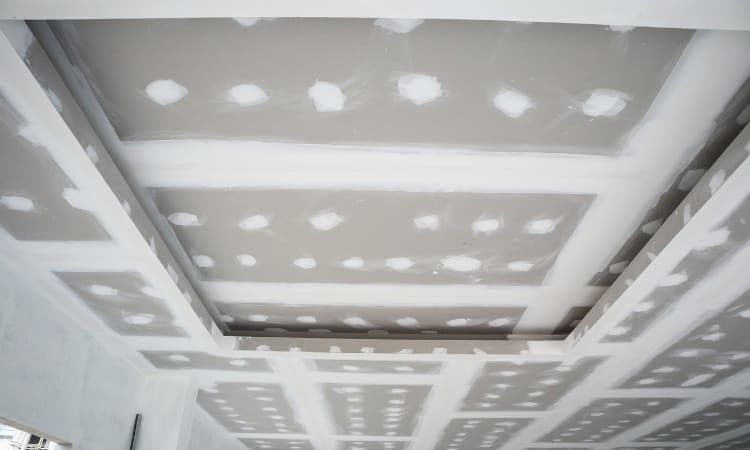
In the compact living environments of Singapore’s HDB flats and condominiums, efficient use of space is not just a preference—it is a necessity. Ceiling and partition installations are the most effective way to reconfigure your home's layout, create private zones, and elevate the interior design. Whether you are installing a false ceiling to conceal unsightly electrical wiring or building a drywall partition to create a dedicated home office, precision is the difference between a high-end finish and a DIY disaster. This guide covers the essentials of professional installation to help you achieve a seamless look for your home.
Choosing the Right Materials: Durability and Function
The success of your installation depends entirely on selecting the right materials for the job. In Singapore’s humid climate, you cannot use "one-size-fits-all" boards.
For Ceilings: Gypsum board is the standard, but for areas prone to humidity like bathrooms or kitchen zones, moisture-resistant boards (often green-colored) are mandatory to prevent sagging and mold.
For Partitions: Standard gypsum boards provide excellent surface finish, but if you are creating a wall for high-traffic areas, consider thicker boards or double-layering to increase impact resistance.
Frame Structure: Metal frames (galvanized steel) are the industry standard in Singapore. They are lightweight, fire-resistant, and do not warp like traditional timber frames, ensuring your partitions stay straight and stable for years.
The Installation Process: Why Accuracy Matters
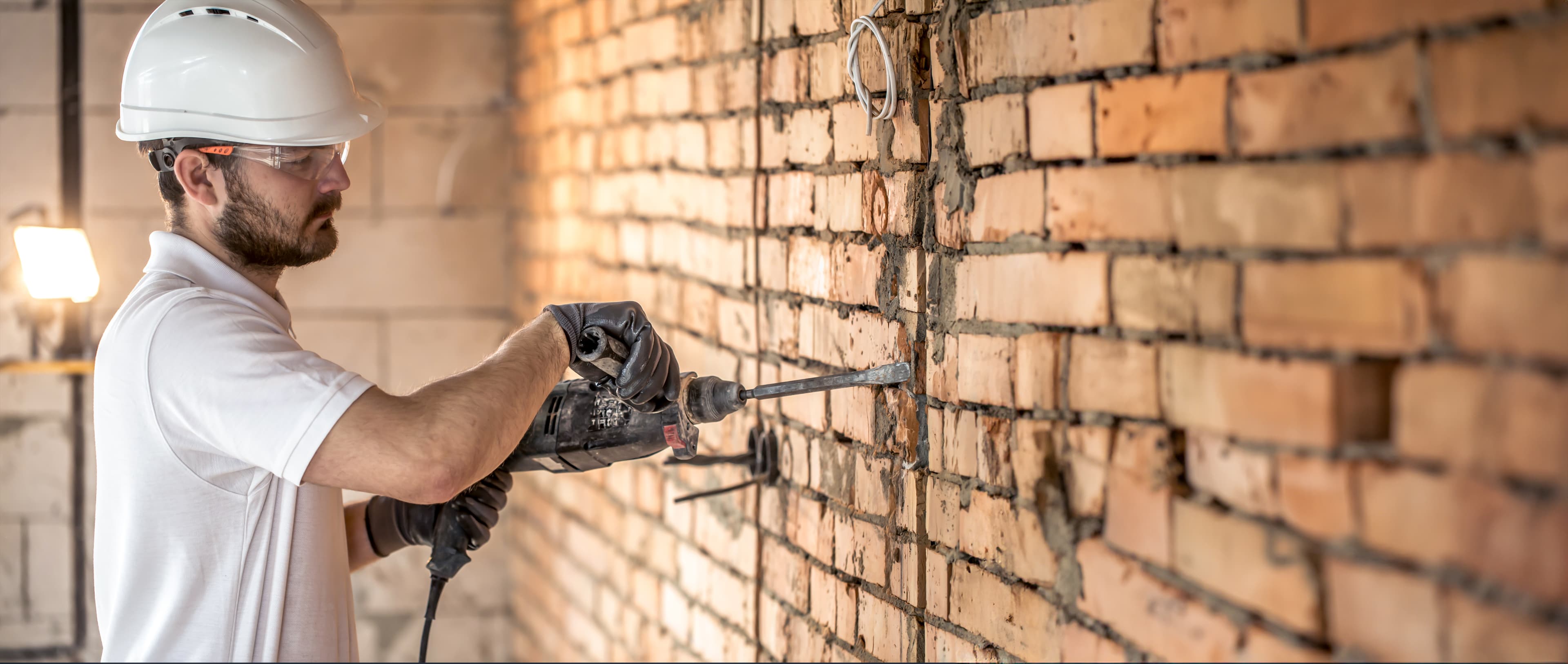
Professional installation is a multi-step process that requires careful planning. It begins with the layout—marking the exact lines for your partition or the height for your false ceiling using a laser level. Without this, your walls will be slightly slanted, or your ceiling will be uneven, which becomes painfully obvious once you start painting or installing cove lighting.
Once the metal framing is secured to the floor, ceiling, and walls, electrical work is integrated. This is the stage where you must be precise; adding or moving a power socket after the boards are screwed in is costly and messy. Finally, the boards are attached, joints are taped, and skim coating is applied. The finish—or the "skim"—is where most amateur jobs fail. A professional finish requires multiple layers of putty, meticulous sanding, and a primer coat to ensure the paint looks smooth and uniform.
HDB Regulations and Safety
If you live in an HDB flat, there are strict regulations regarding renovations. While most false ceilings and partitions are considered "non-structural" and generally do not require a permit, they must still comply with fire safety codes. For instance, any partition near a doorway or fire escape route must meet specific safety standards. Furthermore, avoid overloading the ceiling structure with heavy fixtures (like large chandeliers) without reinforced backing. Professional contractors understand these HDB guidelines, ensuring your renovation passes inspection and doesn't compromise the structural integrity of the unit.
Pro Tips for a Flawless Finish
Lighting Integration: Plan your recessed lights, LED strips, or cove lighting before the ceiling framework is fixed. Retrofitting these later is difficult and compromises the ceiling's finish.
Soundproofing: If building a partition for a bedroom or home office, use acoustic insulation batts inside the wall cavity. This simple addition makes a massive difference in noise reduction.
Mind the Grout Lines: If your partition connects to a tiled wall, ensure the junction is properly caulked to prevent cracks from appearing over time as the building shifts.
Avoid the "Thin Wall" Feel: For partitions, use sound-dampening tape on the metal studs. This prevents the "hollow" sound when someone accidentally bumps into the wall.
Hire for the Finish: The structural part of a partition is relatively fast; the time and cost often go into the finishing (taping, sanding, and skimming). Don't cut corners here; a perfect finish is what makes the wall look like a permanent part of the house.