
Restoring Strength and Style: A Guide to Wrought Iron Fence Repair in Singapore
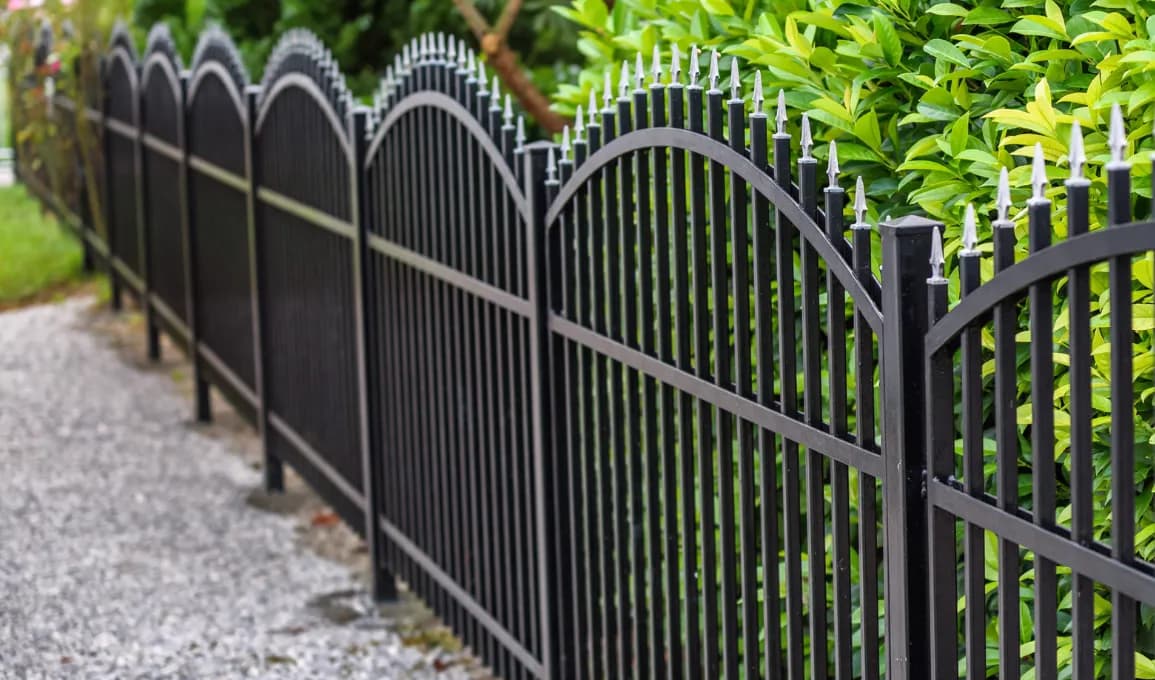
Wrought iron fences and gates are timeless additions to Singaporean homes, offering both aesthetic elegance and robust security. However, Singapore’s tropical climate—characterized by high humidity, frequent rain, and salt air—is the primary enemy of these metal structures. Over time, even the highest-quality iron can succumb to rust, structural weakness, and mechanical wear. Whether you are dealing with a rusted gate that squeaks, a broken weld that compromises security, or paint that has peeled away, understanding the repair process is the first step to restoring your property's curb appeal and safety.
Understanding the Culprits of Decay
It is important to recognize why your fence is deteriorating. In Singapore, corrosion is almost inevitable if the protective coating is breached. Once the paint chips—whether from accidental impact, pets, or simple wear and tear—moisture interacts with the iron, triggering oxidation (rust). If left unchecked, this rust doesn't just stay on the surface; it eats into the structural integrity of the metal, weakening the joints where sections are welded together. This is not just a cosmetic issue; it is a security risk. A rusted-through weld can allow a gate to be easily forced open, leaving your home vulnerable.
The Professional Repair Process: More Than Just a Paint Job
Many homeowners attempt to fix fence issues with a quick sanding and a spray of paint. While this might look good for a few weeks, it rarely addresses the root cause. A professional repair follows a rigorous sequence to ensure longevity:
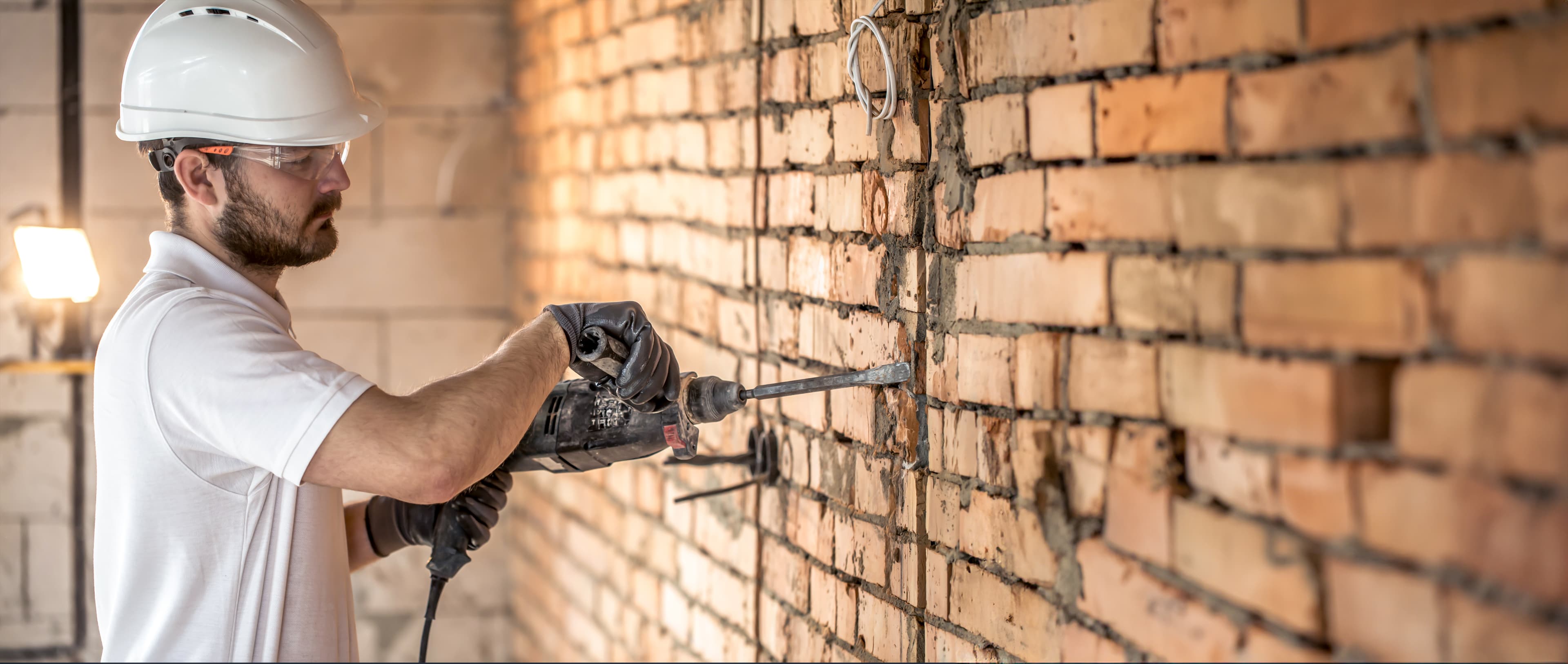
Assessment and Surface Preparation: Professionals first use wire brushes or grinders to remove all traces of rust and loose paint down to the bare metal. Without this, the new coating will bubble and peel within months.
Welding and Structural Reinforcement: If the metal is cracked or the gate is sagging, the joints must be re-welded. This requires the right equipment to ensure the bond is strong and doesn't snap under stress.
Rust-Inhibiting Primer: Once the metal is clean and repaired, a high-quality, oil-based anti-rust primer must be applied. This creates a chemical barrier that stops moisture from reaching the iron.
Weather-Resistant Topcoat: The final finish is a high-grade exterior enamel paint designed to withstand Singapore’s intense UV radiation and rain, keeping your fence looking brand new for years.
Why DIY Often Fails
While home improvement is a noble pursuit, wrought iron repair is technically demanding. Welding requires specialized skills and safety equipment to prevent injury. Furthermore, applying paint in a humid climate without proper surface preparation or specialized rust-proofing agents often results in trapped moisture. This creates "hidden rust" beneath the new paint, which accelerates the decay of the metal from the inside out. Hiring a professional not only ensures the job is done safely but also guarantees that you aren't spending money on a "quick fix" that will need to be redone within a year.
Pro Tips for Fence Maintenance
Check the Joints: Periodically inspect your gate hinges and welded joints. If you see brown streaking or bubbling paint, contact a specialist immediately—the rust is already active.
Clean Regularly: A simple wipe-down with a damp cloth every few weeks removes accumulated salt and dust, significantly extending the life of your paint job.
Address Scratches Fast: If you notice a deep scratch or a chip from a garden tool or bicycle, touch it up with a matching paint immediately to prevent moisture from taking hold.
Lubricate Moving Parts: Don't let your gate hinges get stiff. A small amount of quality lubricant prevents mechanical stress on the welds of your gate.
Don't Ignore Sagging: If your gate is dragging on the ground or not latching correctly, it’s a sign of a structural issue. Adjusting the hinges or reinforcing the post is essential to prevent permanent damage to the frame.